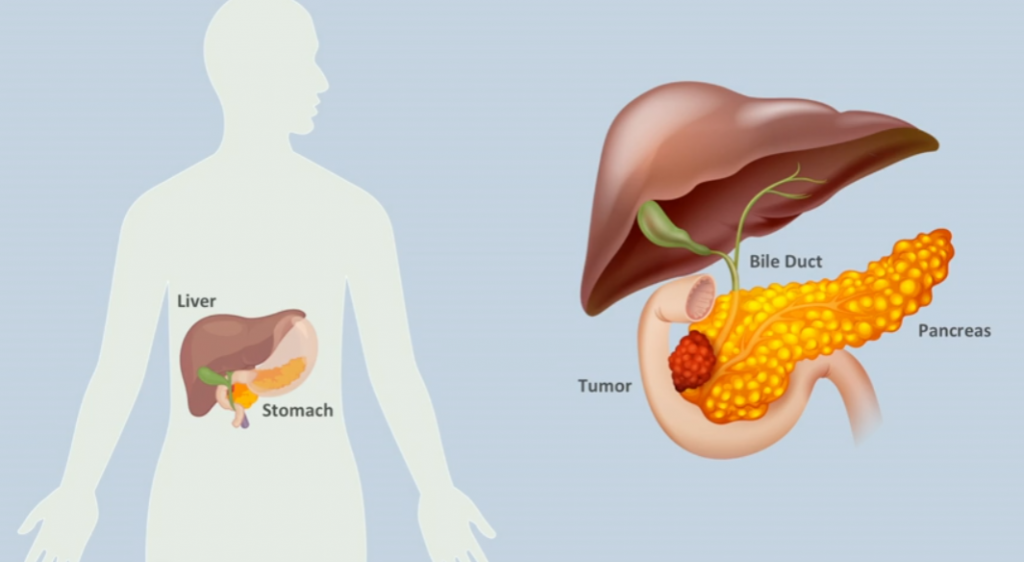
To help overcome that obstacle, researchers from MIT and Massachusetts General Hospital have now developed a small, implantable device that delivers chemotherapy drugs directly to pancreatic tumors.In a study of mice, they found that this approach was up to 12 times more effective than giving chemotherapy drugs by intravenous injection, which is how most pancreatic cancer patients are treated.
In hopes that getting drugs directly to the tumor site would improve treatment, the researchers engineered a flexible polymer film that is made from a polymer called PLGA, which is widely used for drug delivery and other medical applications.The film can be rolled into a narrow tube and inserted through a catheter, so surgically implanting it is relatively simple.Once the film reaches the pancreas, it unfolds and conforms to the shape of the tumor.
Drugs are embedded into the film and then released over a preprogrammed period of time.The film is designed so that the drug is only secreted from the side in contact with the tumor, minimizing side effects on nearby organs.
“The greatest benefit of this device is the ability to implant it with minimally invasive procedures so we can give a tool to oncologists and surgeons to reach tumors that otherwise would be difficult to reach,” Indolfi says.
While they began this project with a focus on pancreatic cancer, they expect that this approach could also be useful in treating other tumors that are difficult to reach, such as tumors of the gastrointestinal tract.
アトピー性皮膚炎を対象としたネモリズマブの国内第Ⅲ相臨床試験(比較試験)結果がThe New England Journal of Medicine に掲載(2020/7/9、マルホ)によれば、中等症~重症のそう痒を有する 13 歳以上のアトピー性皮膚炎の患者さん 215 名(ベースラインのそう痒 VAS 中央値は 75.4)を対象に、ネモリズマブ群とプラセボ群に分けて、16週間かゆみや症状の変化を調べたところ、そう痒 VAS(痒みの程度を判定する評価指標)-42.8%、EASI 変化率(アトピー性皮膚炎の皮膚所見の重症度と病変範囲から全身のアトピー性皮膚炎の重症度を数値化した評価指標)はネモリズマブ群 -45.9%と改善したことがわかり、その結果がThe New England Journal of Medicine に掲載されました。

 肝臓関連ワード