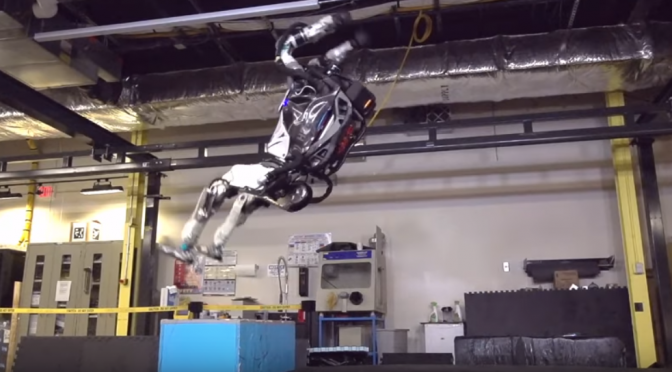
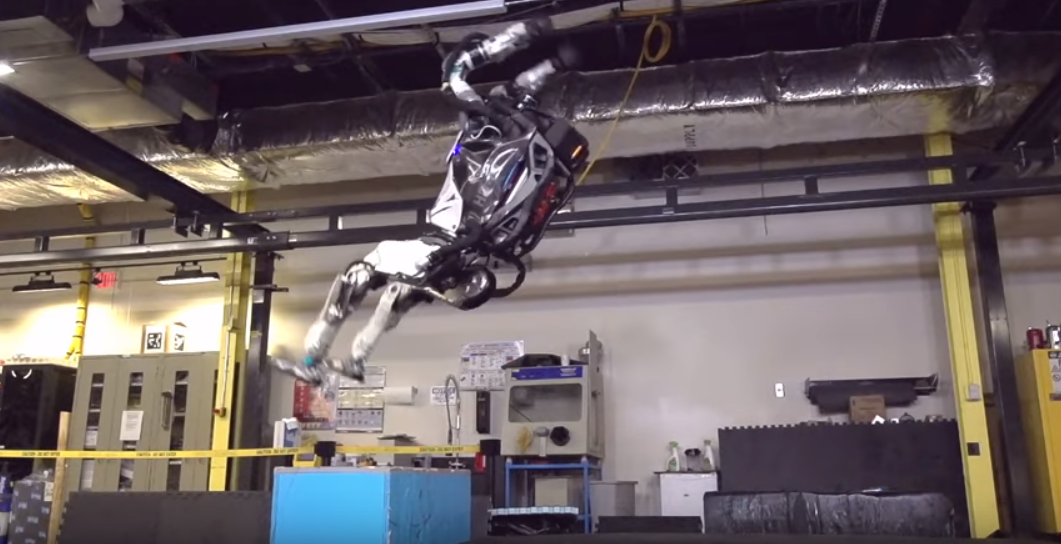
参考画像:What’s new, Atlas?|YouTubeスクリーンショット
■【#BostonDynamics #Atlas】ロボット開発では、複雑な動きをシンプルな動きに分解し、それぞれを組み合わせて複雑な動きを再現する
BostonDynamics(ボストンダイナミクス)の「Atlas(アトラス)」がまるで「パルクール(Parkour)」のような動きでバク宙をしている動画が公開されるのを見て、驚かれた方も多いのではないでしょうか?
このAtlasを開発しているボストン・ダイナミクスのCEO マーク・レイバート氏が「SoftBank Robot World 2017」で行なった講演でのコメントが興味深いので取り上げてみたいと思います。
#大谷翔平 投手がボールを投げる時の感覚やスピードとコントロールのバランスの話を聞くと、ロボットの複雑な動きを実現するためにはコンピュータの指示と物理の法則が協調することを目指すという意味がわかる気がします。https://t.co/nWrx6TH70E
— ハクライドウ (@hakuraidou) 2017年11月23日
「ボストン・ダイナミクス」CEOが語る、ロボット開発に大切な3つのこと。未公開映像も披露
(2017/11/22、ロボスタ)
多くの人たちは、コンピュータが指令を出せば、ハードウェアが思うまま動くと思っているかもしれません。人間も脳が指令を出すと指示通りに動くと考えている人も多いと思います。しかしそれは間違った考え方で、実際の世界ではあらゆるものがロボットに影響を与えているのです。
例えば、何かに触れば空気の流動の問題も起きます。重力もあります。内部と外部の両方から影響を受けているのです。
大谷翔平投手がボール(剛速球)を投げる際の感覚を話していたのですが、コントロール良く投げるにはキャッチボールのような感覚で投げるとよいのですが、速球を投げようとすると、自分の身体を制御すればよいわけではなく、遠心力のような周りの影響を受けてしまい、コントロールがズレてしまうそうです。(記憶を頼りにしていますので、大体のニュアンスで読んでいただけると幸いです)
【参考リンク】
- スポーツ追体験ドキュメント「大谷翔平が語る 優勝への15奪三振」(2017/1/28、NHK)
- 日本ハム・大谷 170キロもいける!(2016/6/13、東スポWEB)
つまり、ロボットの動きも同じでコンピュータでどんなに指示を出しても、思い通りの複雑な動きをできるとは限らないということであり、ボストンダイナミクスは一つ一つの動きをシンプルに分解し、シンプルなモデルを組み合わせて高度な振る舞いを実現しようと考えているそうです。
ここで気になったのは、複雑な動きを複雑なままに再現することと、複雑な動きをシンプルな動きに分解し、シンプルな動きを組み合わせて複雑な動きを再現することという考え方の違いがあり、実に東洋的な考えと西洋的な考えがわかりやすく現れていると感じました。
「頭のでき」(著:リチャード・E・ニスベット)を参考にそれぞれの考え方の違いを紹介します。
 |
|
中古価格 |

【関連記事】
■西洋人=分析的
西洋人の知覚や志向は分析的で、身の回りのうち比較的小さな部分、何らかの方法で影響を与えたいと思う物事や人に意識を集中させる。
そして、その小さな部分の属性に注意を向け、それを分類したりその振る舞いをモデル化しようとしたりする。
また、形式的な論理規則を使って推論することが多い。
【参考リンク】
(2017/6/16、NHK)
私たちが普段の教育で触れる科学は、基本的に還元主義という考え方でできています。還元主義は「物事を分解し、細部の構造を理解していけば、全体を理解できる」という考え方です。
■東洋人=包括的
東洋人は幅広い物事や出来事に注意を払い、物事や出来事同士の関係や類似性に関心を持つ。
また、対立する考え方の「中庸」を探すなど、弁証法的な考え方を使って思考する。
東洋人は他者に注意をはらう必要があるため、外部の幅広い社会環境に目を向け、その結果として物理的環境にも意識を注ぐ。
■日本人とアメリカ人に見せて何が見えたかを報告してもらった、カラーアニメーションの一場面
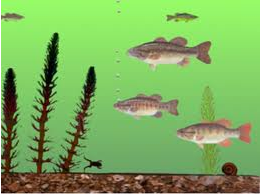
masuda&nisbett(2001)
- アメリカ人はおもに、最も目立つもの-例えば大きく機敏な魚-に注目した。
- 日本人は、もっと周囲の状況-岩、海藻、貝のような動かない生き物-に目を向けた。
- 日本人は、背景に注意を払うだけでなく、背景とその中にある特定のものとの関係にも気づいた。
- 日本人は、背景の細部についてアメリカ人よりも60%多く語った。
東アジア人は背景により注意をはらうため、関係性や因果関係を正しく判断できると考えられる。
■まとめ
なぜ複雑な動きを複雑なままに再現することと、複雑な動きをシンプルな動きに分解し、シンプルな動きを組み合わせて複雑な動きを再現することという考え方の違いに興味があるかといえば、ヒトの生理学反応を生体外で再現する試験法の開発が求められている中で注目されている「Organ on a Chip」の課題に重なるところがあるのではないかと思ったからです。
抗がん剤の副作用を生体外で再現するデバイス「ボディ・オン・チップ」の開発に成功
(2017/7/25、京都大学プレスリリース)
単一臓器モデルであるため、例えば、組織が放出する物質(代謝産物※5や成長因子※6など)が血管を通して他の臓器に与える影響(臓器間相互作用)を再現できません。近年では、数種類の単一組織チップを細いチューブで連結したモデルも報告されていますが、その連結法に課題があり正確な実験・測定が困難とされています。
そこで、考えられたのが、複数の組織を単一チップに搭載した生体外ヒトモデル「BODY ON A CHIP(ボディ・オン・ チップ)」の開発に成功|京大で紹介した複数の組織を単一チップに搭載した生体外ヒトモデル「Body on a Chip(ボディ・オン・チップ)」であり、従来の単一組織モデル「Organ on a Chip 」とは違い、生体内における組織間相互作用を生体外で再現できるチップであるので、薬剤開発や化学物質全般の有害性・毒性試験などへの応用が期待されています。
人間や動物の動きにも同じようなつながりがあるのではないかと思い、複雑なものを複雑なまま、関連性がないのかを認識しながら開発する必要はないのかという点が気になるところです。
【関連記事】
- lung-on-a-chip|肺の仕組みを簡略化してマイクロチップに表現
- ヒトのES細胞から腸管の機能を持つミニ腸を作り出すことに成功 世界初|国立成育医療研究センター
- 「ミニ腸」の創薬分野への応用に向けた共同研究を開始|国立成育医療研究センター・大日本印刷
【関連記事】
- ロボットが人間と触れ合う分野(医療・介護)で役立つ!?人工筋肉(ソフトアクチュエーター)を開発|コロンビア大学
- 「少子高齢化による高齢化社会は日本にとってのビジネスチャンス(医療・介護など)になる!」と発想を転換してみない?
- CYBERDYNEと損害保険ジャパン日本興亜、サイバニクス技術とリスクファイナンスの融合で「Society5.0(超スマート社会)」および「重介護ゼロ®社会」の実現に向けて、包括的業務連携に関する協定を締結
- アメリカのプライム世代の女性の36%が「介護」を理由に仕事に就けない!?|働き盛り世代が無償の介護をしなければならない問題を解決するアイデア
- NTTドコモ、「ロボットプログラマー」職業体験ができるパビリオンオープン|#キッザニア
- 「AI(人工知能)・ロボット・テクノロジーは人間から仕事を奪うのか?」という問いからは人間と機械が一体化するという考え方が抜け落ちている!
- 人間と #ロボット の違いとは?|#羽田圭介 さんのコメントから考えたこと|#ワイドナショー
- バーテンダーロボットによってバーテンダーの仕事はなくなってしまう?
- ロボット×プログラミング×遊び=トイ・プラットフォームtoio(sonyのおもちゃ) #stem #steam #education
- #Sony ロボット・プログラミング学習ができるSTEM教育キットKOOV|「Tinkering(ティンカリング)」とデザイン力を育てる
- DFRobot’s BOSON Kit|モジュール化したロボットキットがコーディング・IoTなど子供のSTEM教育に役立つ
- Robot Origami |折り紙からインスピレーションを受けて作られた小さな医療用ロボットが開発
- 認知症の改善効果が期待されるコミュニケーション用ロボット「テレノイド」が宮城県の介護施設に導入
- 胃の中のボタン電池などを磁力で捕まえる「飲み込めるロボット」を開発|MITと東工大ら
- PillPack|ロボットが薬をパックし、薬剤師はより多くの時間を顧客の対応にあてられる
- 遠隔操作の手術ロボットによる網膜の手術に世界で初めて成功|オックスフォード大学